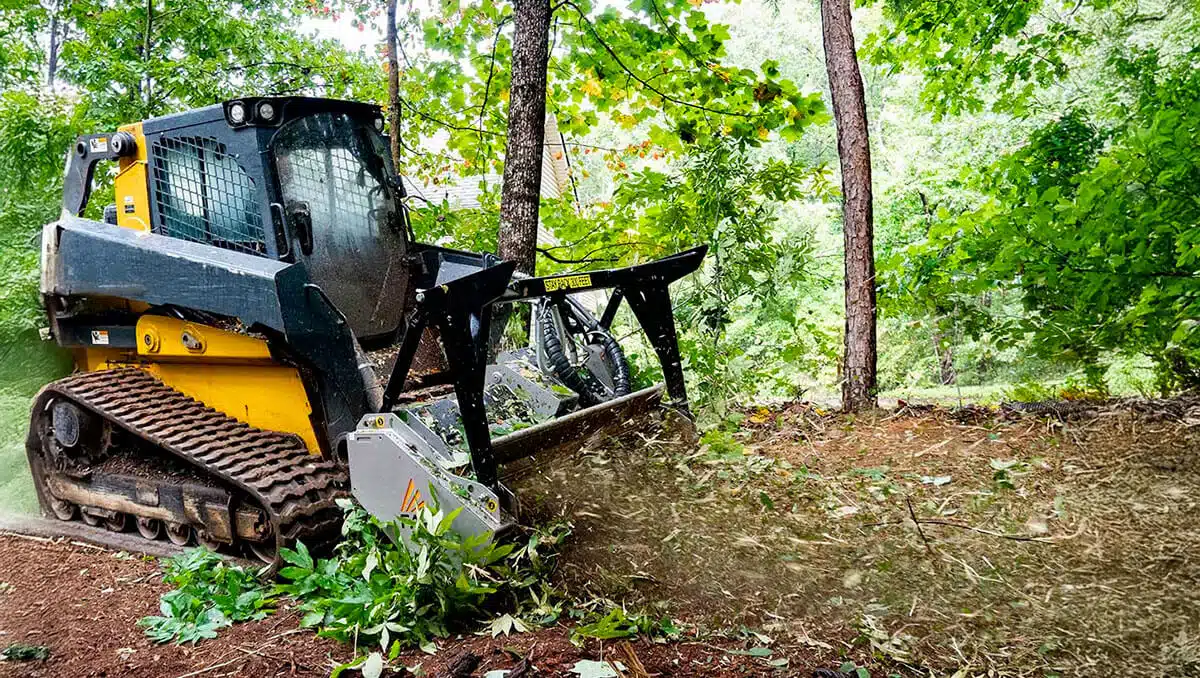
Western Pennsylvania has a serious invasive species problem, and it's getting worse every year. Multiflora rose, autumn olive, bush honeysuckle, Japanese knotweed, and thorn-bearing shrubs are choking out native plants, destroying forest understory, and making entire sections of property completely unusable. If you've tried to fight these invasives by hand, you know how futile it feels.
Forestry mulching is the most effective mechanical method for large-scale invasive removal. Our equipment doesn't just cut the vegetation—it grinds it into mulch, root crown and all. This is critical because many invasive species (especially multiflora rose and autumn olive) will resprout aggressively from cut stems. By mulching the entire plant below the soil line, we dramatically reduce regrowth compared to mowing or chainsaw cutting.
We work with property owners, land trusts, conservation districts, and municipalities throughout the Greater Pittsburgh area on invasive management projects ranging from half-acre residential lots to 50+ acre woodland restoration efforts. For properties with severe infestations, we can develop a phased clearing plan that prioritizes the most critical areas first.
After the initial mulching pass, we recommend monitoring for regrowth over the following growing season. Some species may send up new shoots from surviving root fragments, but these are far easier to manage than the original infestation. Many of our clients schedule a follow-up maintenance pass 12–18 months after the initial clearing to catch any regrowth before it re-establishes.
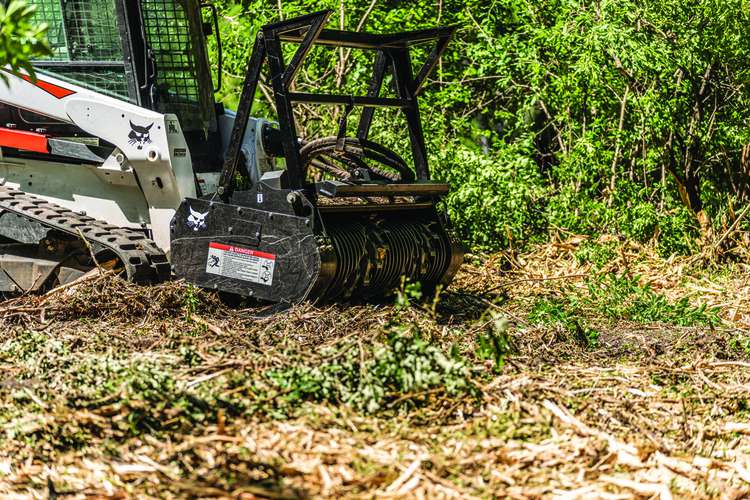
Turn unusable acreage into high-value, usable land fast.
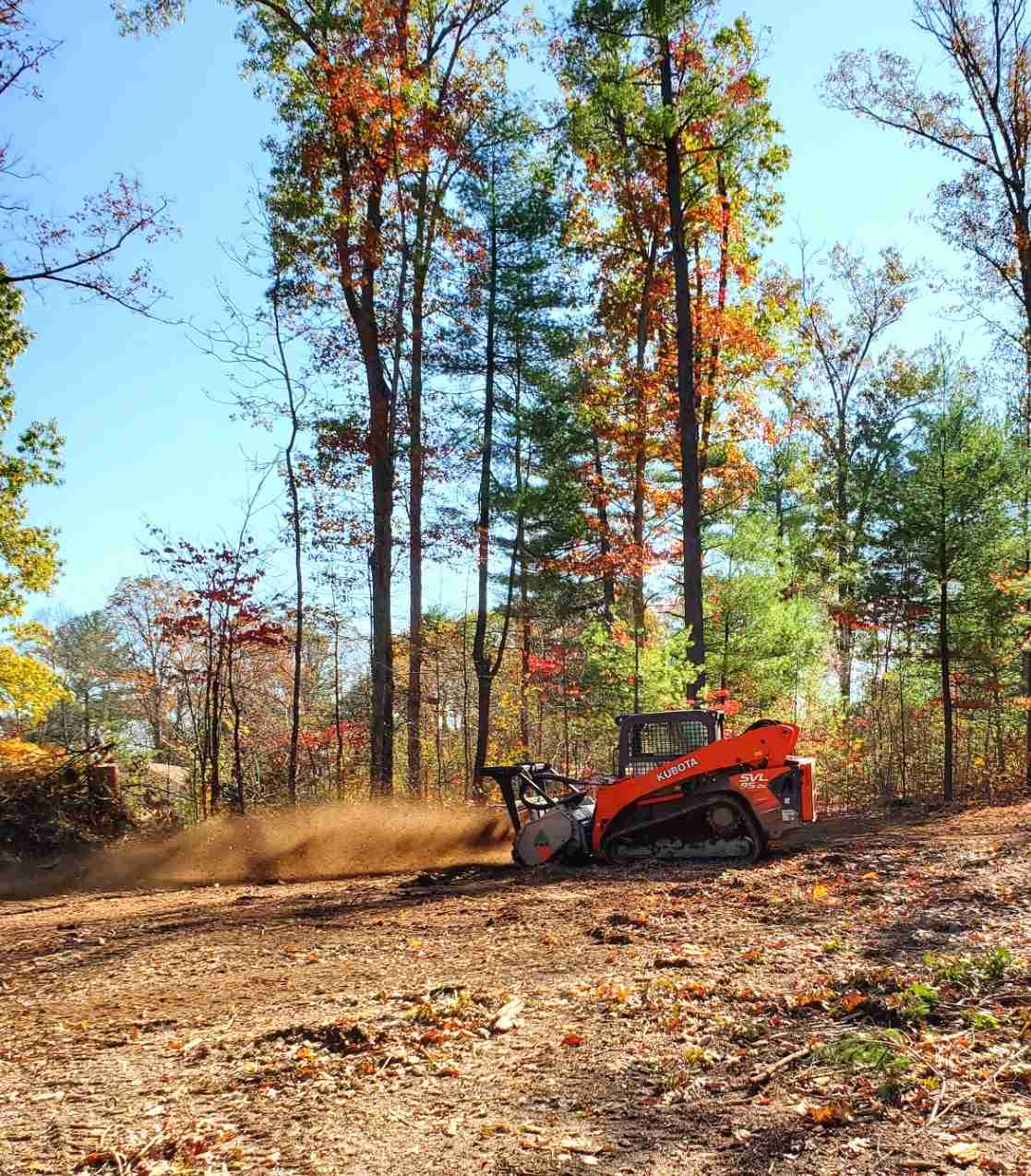
Eliminate 60-day delays. We deliver a construction-ready pad this week so you can start building immediately.
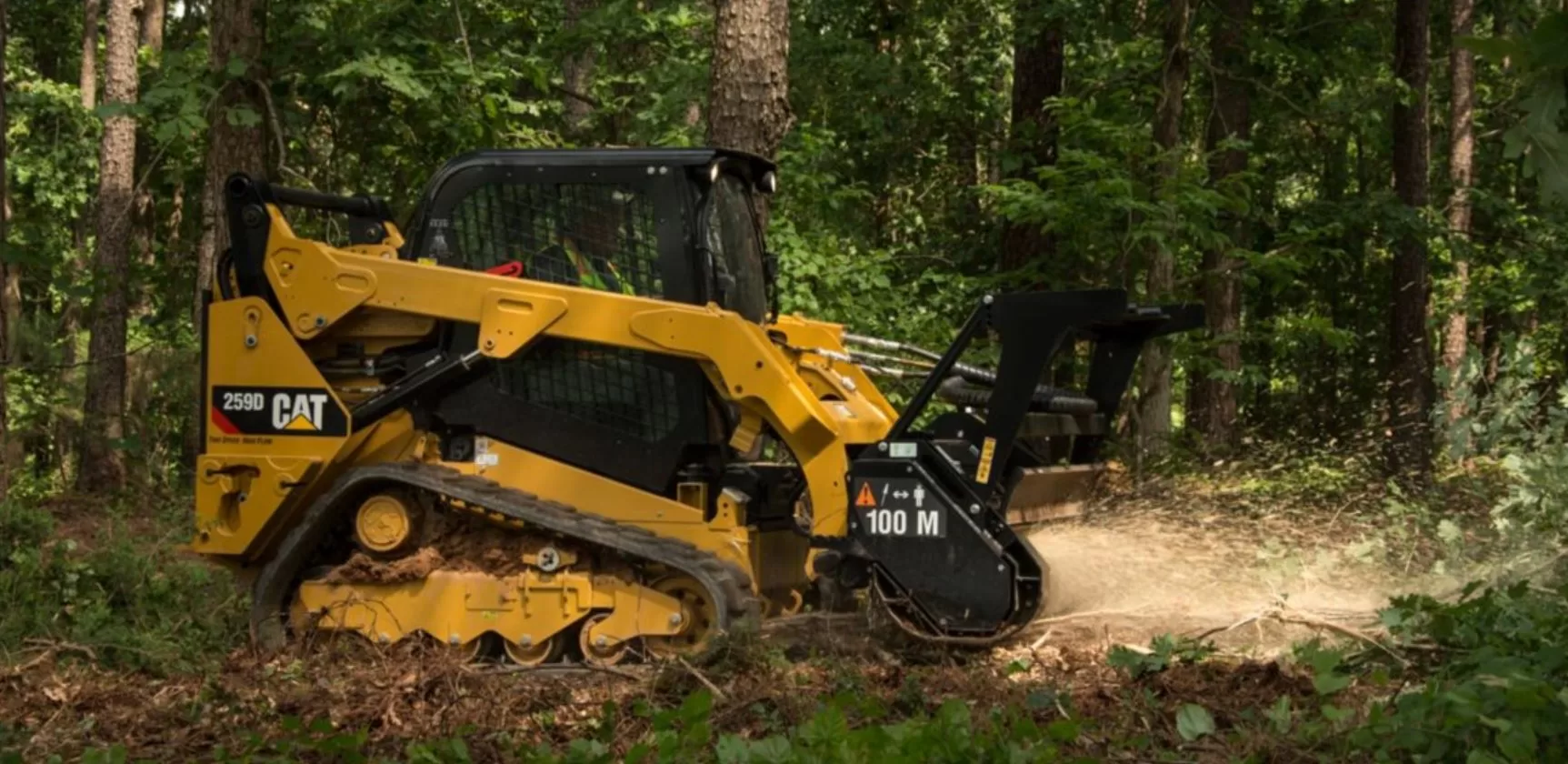
Instantly improve property navigation and habitat visibility for the 2026 season.